

Like it or not, we have to ask people for information about themselves. There is the basic stuff, of course – name, address, telephone and emergency contacts. But we also have to ask for more personal information, such as medical conditions. This isn’t just us being nosy. It can be difficult to plan sessions if you don’t know that someone’s arthritis makes it hard to hold scissors, or that their eyesight is so poor they can’t easily see the tiles on a Scrabble board.
First steps
When anyone joins one of our groups, we collect essential contact information and details of their emergency contacts, as well as basic demographic information such as age (within an age range) and whether they live alone. We also ask them to tell us, in their own words, why they want to join the group, because this often helps us shape ideas.
The whole picture?
There’s also a short section on the Joining Form where we ask if they have any conditions that could affect their ability to do an activity, and if they are on any medication we should know about. More often than not, people leave this section pretty empty and we’re never quite sure whether that’s because they don’t believe we need to know, or because they don’t want to admit there may be some things they will find it difficult to do.
In turn, we’ve learned that while Joining Forms are an essential starting point they will never give us the whole picture. That tends to emerge over a period of time, and usually after quite a few conversations.
It’s not always an age thing
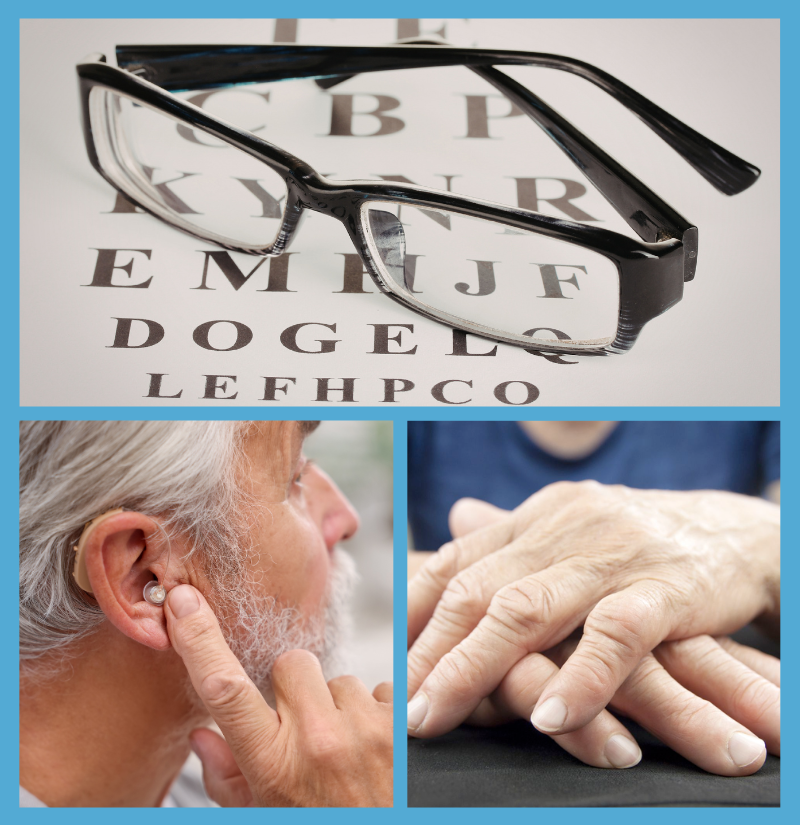
We all know that as you get older, medical conditions have a habit of creeping up on you. Arthritis or poor eyesight might have been part of someone’s life for such a long time that they accept it as a reality and no longer mention it. It’s the same with deafness, because everyone’s hearing deteriorates as you get older – right?
Well, actually it can be really helpful for us to know about these things, so we can try and make life easier for people. For example, if someone has poor eyesight, we can make sure they sit in the best light; or we can offer to help when someone with arthritis finds it hard to use scissors for a craft activity. Quite often, chatting about some of these difficulties can be helpful for the sufferer as well.
New technology
At one of our craft clubs we have an 88-year-old lady who is very deaf. Worse still, in recent years she’s developed a condition that causes a certain amount of dizziness and double-vision, so of course that’s had an impact on her hearing, because it’s harder for her to see facial expressions and lip read. (We all lip read to some extent, whether we have a hearing loss or not.)
She has worn National Health hearing aids for a long time but they were not doing much to help her. It was only during a casual conversation about deafness that she admitted she hadn’t had a hearing test for many years. Worse still, she hadn’t realised she could ask her GP for a referral. With encouragement she went for a hearing test, where they found her hearing aids weren’t just on the wrong settings, the units were obsolete as well! Her new hearing aids have helped enormously and make her time at the craft club much more enjoyable, because it’s easier to join in the conversations.
Some days are better than others
Another lady who attends one of our craft groups suffers from rheumatoid arthritis. Some days are better than others, but the condition makes life very difficult. She really wanted to join the craft group but was anxious about what she wouldn’t be able to do, rather than what she could.
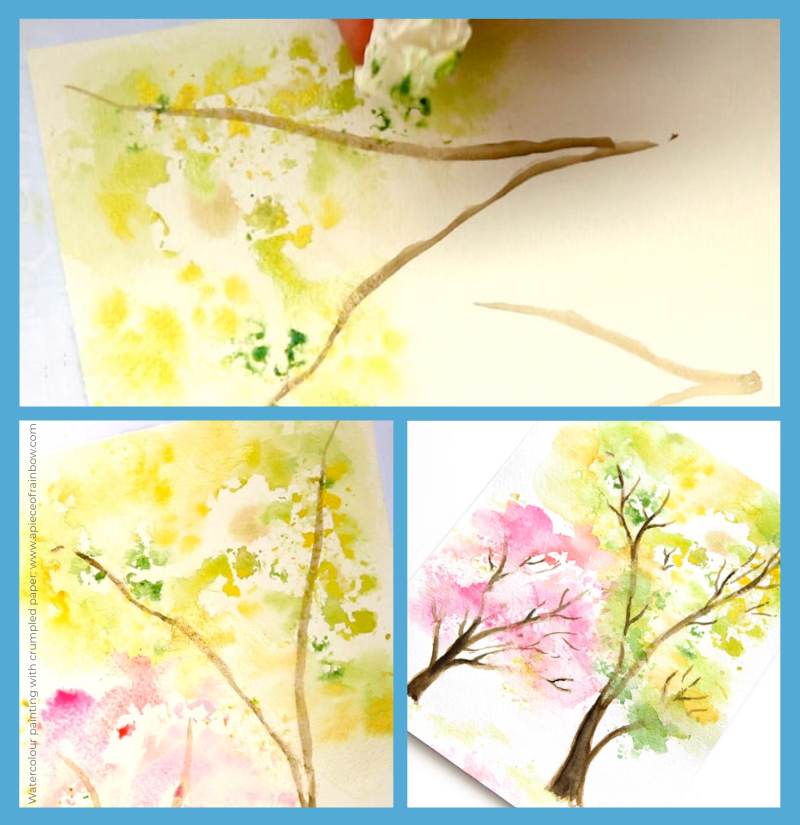
Now we can plan sessions to accommodate her, so when the group were painting landscapes and she wasn’t able to hold a paintbrush, she dabbed the paint on with crumpled wax paper and pieces of sponge. The moorland landscape she produced was really good and she was thrilled with it.
A new prescription
As another example, although we quite understand why people don’t necessarily want to tell us about their medical conditions, sometimes we really do need to know. Quite by chance, at another of our craft clubs, a participant mentioned that she’d recently had a health scare and was now taking blood thinners. We only ever use safety scissors at our sessions, but now we know about this we can help when needed and make sure there’s no chance of her cutting herself accidentally.
What’s not being said
Active Listening is a communication technique that basically means paying attention. It became a defined concept (and a recognised business skill) in 1987 when psychologists described it as a way to foster positive change in the workplace.
But it’s also invaluable in everyday life, because often we need to hear what is not being said, as well as what we’re being told. The out-of-date hearing aids was a case in point. We encouraged our craft club member to seek a GP referral for a hearing test, and we honestly believe that the chance to compare notes about hearing loss with the rest of the group gave her the impetus to do so.
Final thoughts
Never underestimate the value of casual conversation! Just chatting about life in general means people are sharing information, whether that’s complaining about a hearing aid, getting used to some new tablets, or just talking about the plants in their garden. And it’s the chats that make a difference and build friendships.
We believe we have good active listening skills because we enjoy working with our groups and are genuinely interested in the lives of the people who attend. In the end, we gain as much from these conversations and friendships as they do.
Thanks to:
Ananda, for instructions on how to do watercolour painting with crumpled paper: www.apieceofrainbow.com
Salwa for 13 Ways to paint without a brush.